Payments & Cards
Receipts, payouts, corporate cards and everyday business spending.
39 postsHow to Add Money to a Virtual Reward Card
To add money to a virtual reward card, begin by reviewing the rules of the platform that issued the card. In most modern platform-based virtual card programs, funding is managed through an internal account balance rather than by transferring money directly to the card number. Users first add funds to the platform account, and then allocate a permitted amount to the relevant virtual card. On Infini, for example,…

How Do Virtual Cards Work?
Virtual cards operate by issuing a set of digital card credentials and linking those credentials to a designated funding source, such as a credit line, debit account, prepaid balance, wallet balance, or corporate card account. When a user pays online or through a supported mobile wallet, the merchant submits the card details through the standard card network. The issuer or card provider then evaluates the…

Stablecoin Cards: A Guide for International Businesses
A stablecoin card is a payment card that enables a business to use stablecoin-backed funds for everyday card transactions through established card payment networks. For international businesses, the value is practical: teams can maintain balances in stablecoins, issue virtual or corporate cards, pay online merchants, apply spending limits, and reconcile global expenses without relying on slow bank-transfer processes…

How to Add a Virtual Card to Apple Pay or Google Pay
A virtual card can be added to Apple Pay or Google Pay when the card issuer supports mobile wallet provisioning for that specific card. The standard process is to open Apple Wallet or Google Wallet, select the option to add a payment card, enter the virtual card details, accept the issuer terms, and complete the required verification step. If the issuer, device, country or region, card status, or verification method…

How to Pay Subscriptions with a Virtual Card
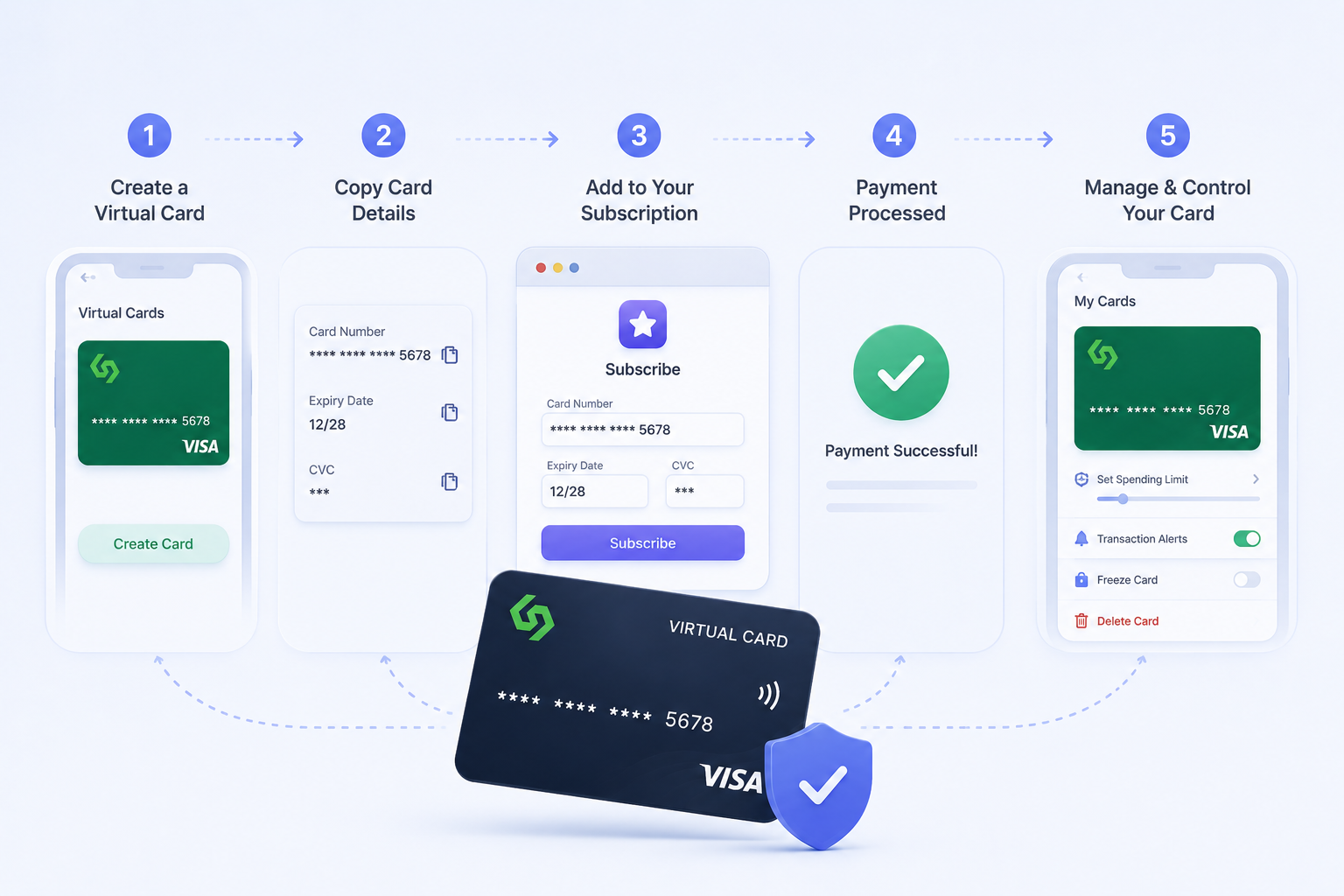
A virtual card can be used to pay for subscriptions when it is reusable, active, adequately funded or assigned sufficient credit, and accepted by the subscription provider for recurring card-on-file billing. In practice, this means creating or selecting an appropriate virtual card, setting a renewal-ready limit, entering the card number, expiration date, CVV, and billing address at checkout, and saving the card as…
What Is a Virtual Card?
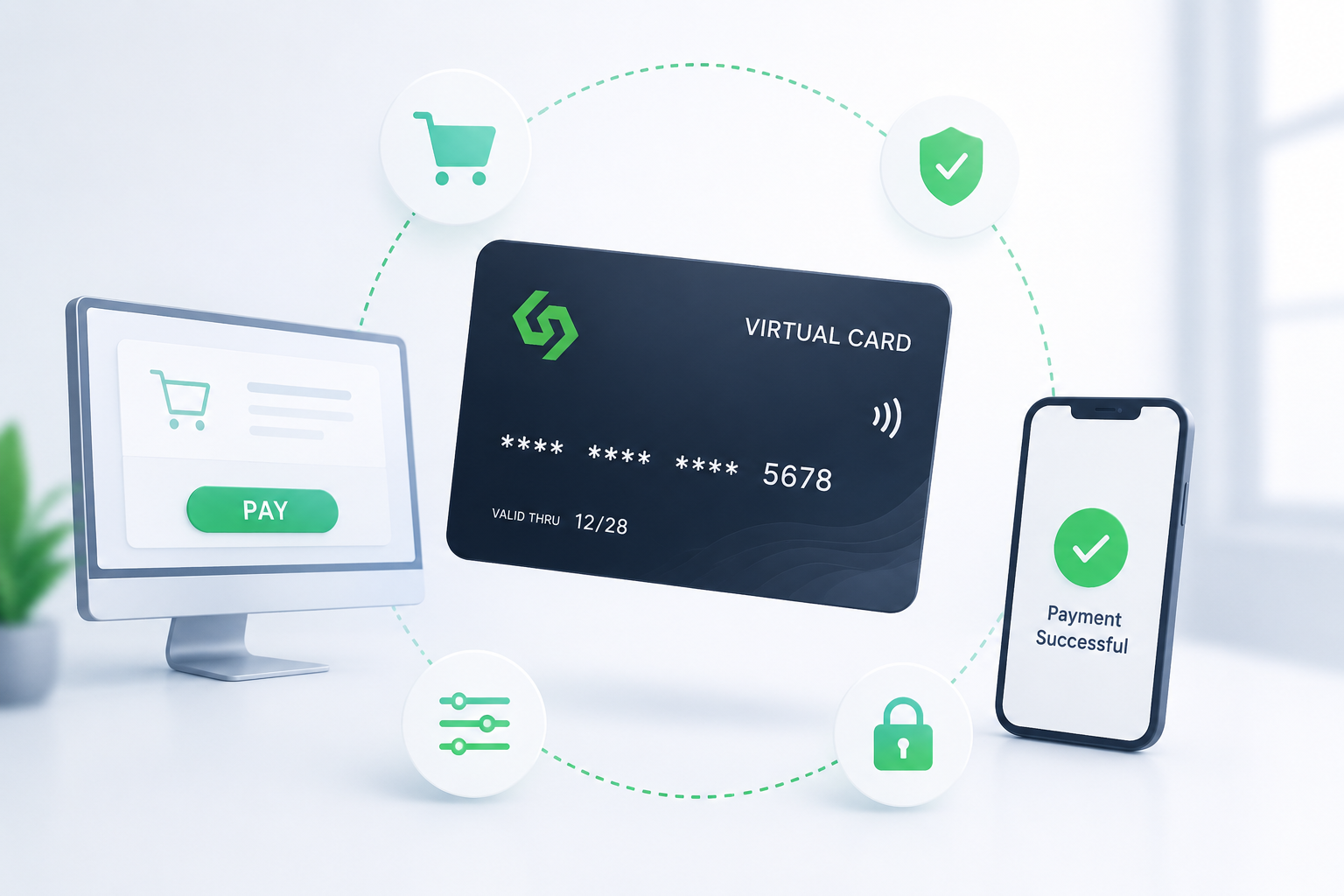
A virtual card is a digital payment card that lets you pay online without using a physical plastic card. It usually includes a card number, expiration date, CVV, and billing details, just like a traditional card. Virtual cards are commonly used for online shopping, SaaS subscriptions, travel bookings, ad spend, vendor payments, and business expenses. For crypto users and international businesses, stablecoin-powered…
Virtual Prepaid Card vs Virtual Debit Card: Why SaaS Subscriptions Care About Credit Type
In U-card and virtual card use cases, the visible comparison is often between virtual prepaid cards and virtual debit cards. However, for AI tools, SaaS subscriptions, advertising accounts, and other recurring business payments, the more decisive factor is usually the card’s underlying classification within the Visa or Mastercard network: Prepaid Type, Debit Type, or Credit Type. Many U-cards available in the market…

How Do Corporate Purchasing Cards Work?
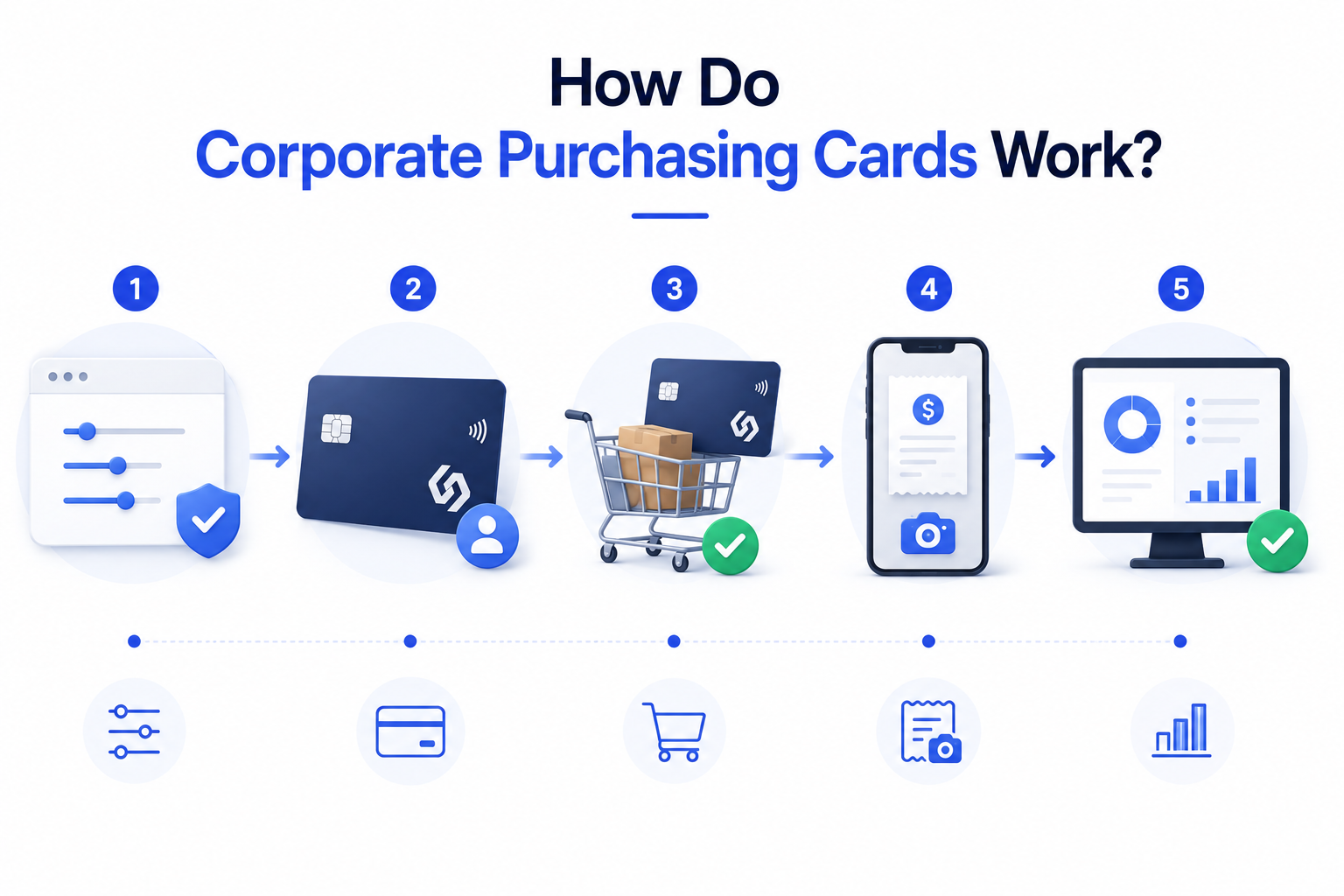
Corporate purchasing cards operate by issuing company payment cards to authorized employees, teams, departments, or approved vendor scenarios, while applying predefined controls such as spending limits, merchant restrictions, approval workflows, receipt requirements, and finance review. These cards are also commonly known as P-cards or procurement cards, and are typically used for routine business purchases that…
Virtual Business Credit Cards for Corporate Travel
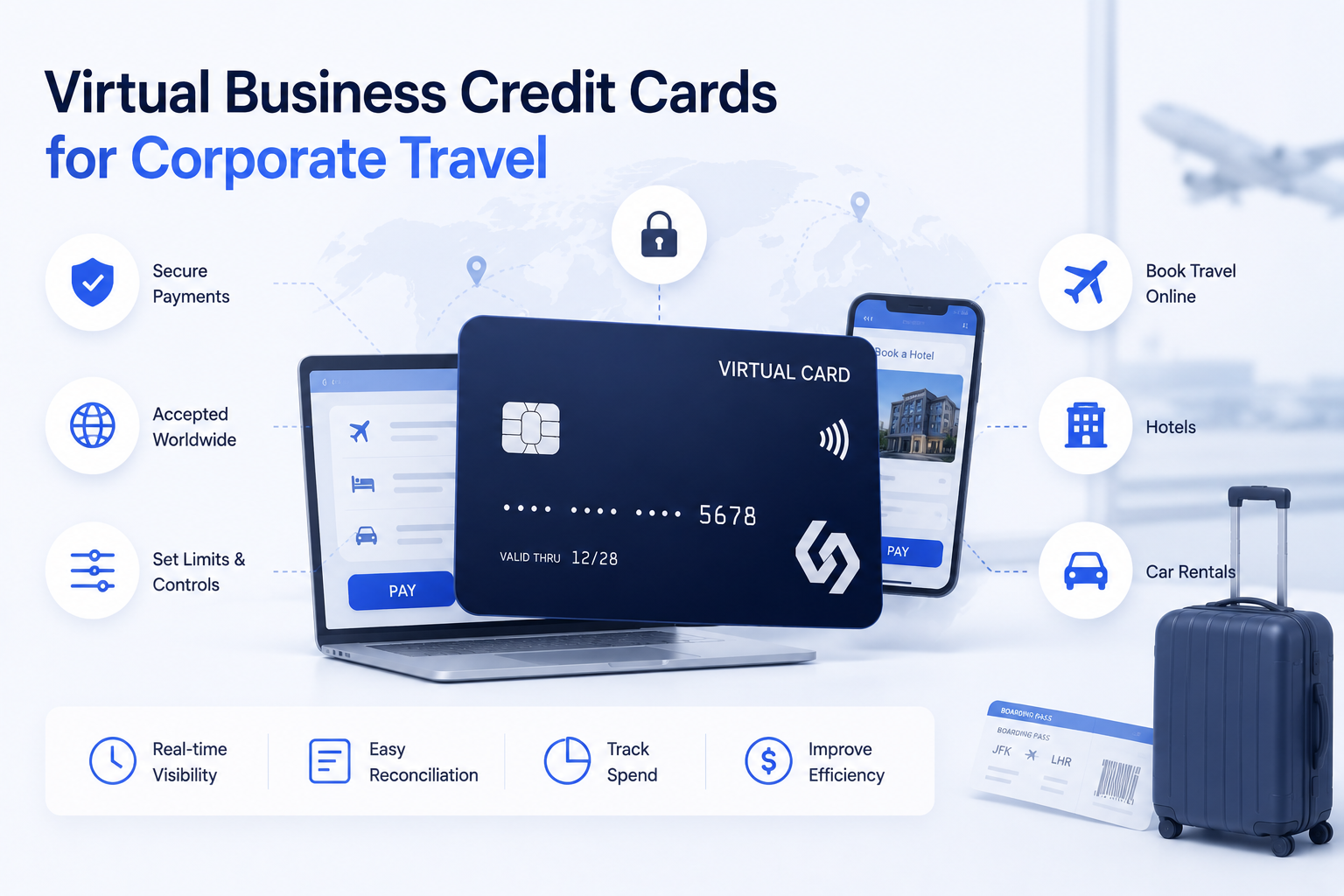
are company-controlled digital card credentials used to pay for flights, hotels, travel agencies, event registrations, and other approved travel-related expenses without requiring every employee to carry a permanent physical card. These cards are particularly effective when finance teams require faster issuance, card-level spending limits, improved reconciliation, and stronger visibility within a broader corporate…
Best Corporate Cards by Customer Service
The best corporate cards by customer service are not necessarily those with the largest number of support channels. For finance teams, a more reliable approach is to evaluate providers by operational fit. American Express is well suited to established enterprises that require mature corporate service coverage; Ramp is appropriate for software-led teams that value rapid issue handling; Brex serves startups and growth…
What Is a Corporate T&E Card?
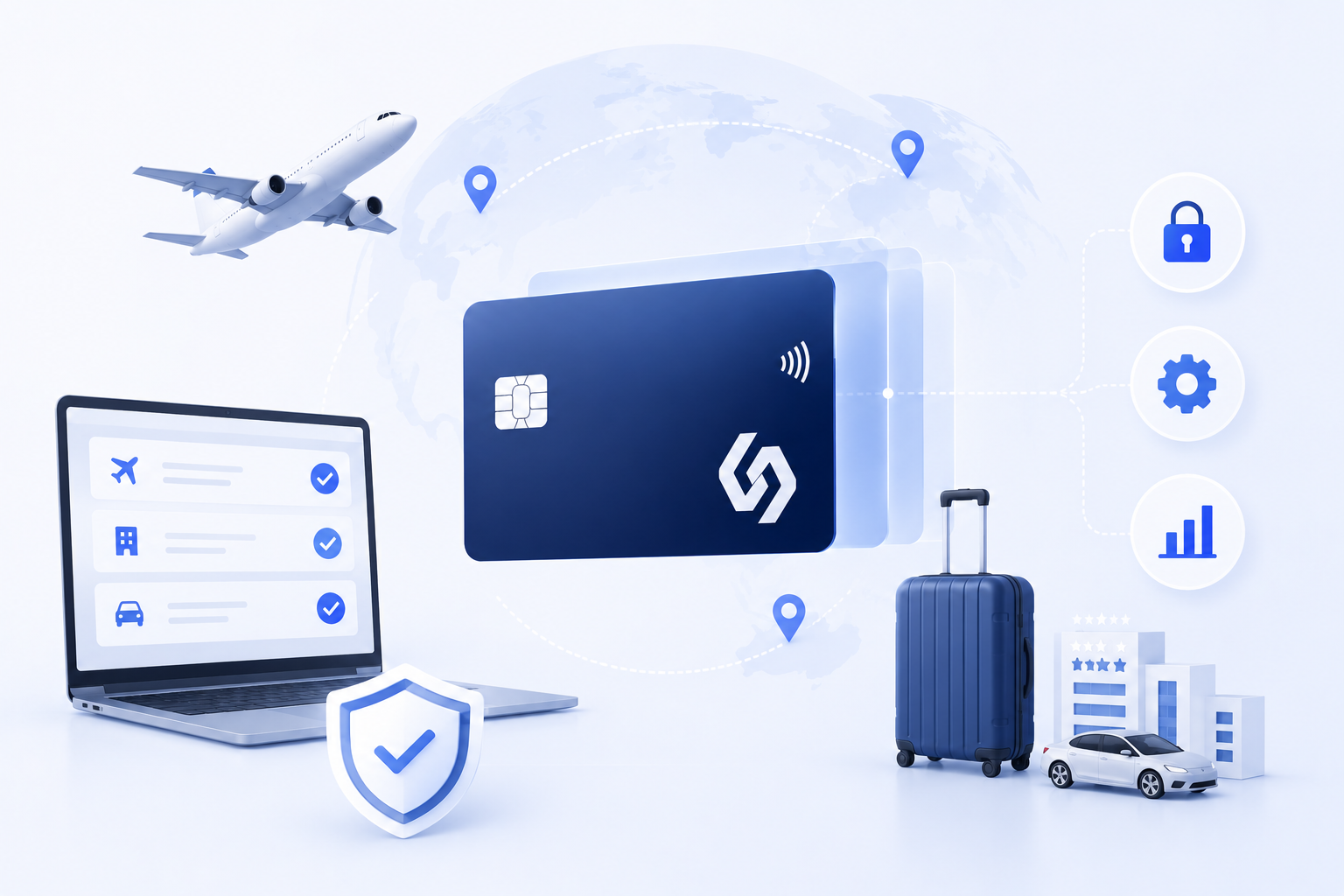
A corporate T&E card is a company-issued payment card provided to employees, teams, or specific travel use cases for approved travel and expense spending. It is commonly used for flights, hotels, ground transportation, meals, conference registration, and other business travel costs. T&E typically means travel and expense, and in some company policies it may also include travel and entertainment. The card sits within…

How Do Corporate Cards Work?
Corporate cards work by providing businesses with a centralized, secure, and highly controllable way to manage employee spending. Unlike traditional business credit cards that rely on personal guarantees, corporate cards are issued based on the company's financial health and are designed to handle multi-departmental expenses, software subscriptions, and travel costs. For growing B2B companies, the real value lies in…

Corporate Cards vs Traditional Credit Cards
When choosing between corporate cards and traditional credit cards, the core difference lies in liability and control. Traditional business credit cards typically require a personal guarantee from the business owner, meaning your personal assets are on the line if the company defaults. In contrast, corporate cards operate on a corporate liability model, where the business entity itself is solely responsible for the…

What Is a Corporate Card?
A corporate card is a specialized credit card issued to established businesses—typically those with at least $4 million in annual revenue—designed to streamline purchasing processes and manage employee expenses effectively. Unlike personal or standard small business credit cards, the primary defining feature of a corporate card is that the liability for the debt rests entirely with the company, not the individual…

How Corporate Cards with Spend Limits Work for Teams
Corporate cards with spend limits move financial control to the point where team spending begins. Instead of waiting until month-end to discover that a card was used for the wrong merchant, the wrong amount, or the wrong budget, finance teams can define rules in advance and have the card program enforce them when a transaction is attempted. For teams, this creates clearer ownership, fewer exceptions, and better…

Best Corporate Card Solutions
Choosing the right corporate card solution is not about finding the provider with the longest feature list. The best corporate card for your business is the one that matches how your team actually spends, approves purchases, funds cards, controls budgets, and reconciles expenses at month end. For some companies, that means a traditional corporate credit card with physical cards and travel benefits. For others, it…

Corporate Card Policy for Small Businesses
A corporate card policy for a small business should clearly define who is eligible for a card, what expenses are permitted, what limits apply, how receipts and reviews are handled, and what actions are taken in cases of non-compliance. The objective is not to introduce unnecessary bureaucracy, but to ensure that company spending remains predictable while preserving operational efficiency. In most cases, an effective…

How to Get a Virtual Corporate Credit Card
To get a virtual corporate credit card, a business typically needs to select a provider, complete company and identity verification, connect a funding or repayment source, set appropriate spending controls, and issue cards to designated users or business use cases. The objective is not only to create cards quickly, but also to ensure that card ownership, funding, limits, and reconciliation remain clear as usage…

Crypto Payment Gateway for Enterprise: Top 5 Options for 2026
If your enterprise is evaluating a crypto payment gateway, the bottom line is this: adopting a blockchain-based settlement solution can reduce your cross-border payment costs by up to 80% while cutting settlement times from days to minutes. For a business processing $10 million in international payments annually, shifting from traditional wire transfers (which often carry 2-7% in fees and FX spreads) to stablecoin…

Corporate Cards: Complete Guide for Businesses 2026
Corporate cards help companies give employees, teams, and departments a controlled way to pay for approved business expenses. Instead of asking employees to use personal cards and wait for reimbursement, a company can issue physical or virtual cards, set spending rules, track transactions, and reconcile expenses through a centralized system. For modern finance teams, the value of corporate cards is not just the card…

What is the Best Stablecoin Payment Gateway for Cross-Border Trade?
The best stablecoin payment gateway for cross-border trade depends on your specific business needs, but top contenders like Triple-A, BVNK, infini, and Coinbase Commerce consistently lead the market. For B2B enterprises looking to reduce traditional SWIFT fees from 2-7% down to mere cents while accelerating settlement times from T+5 days to minutes, integrating a robust stablecoin infrastructure is no longer…

How Importers and Exporters Use Crypto Payments to Streamline Global Trade
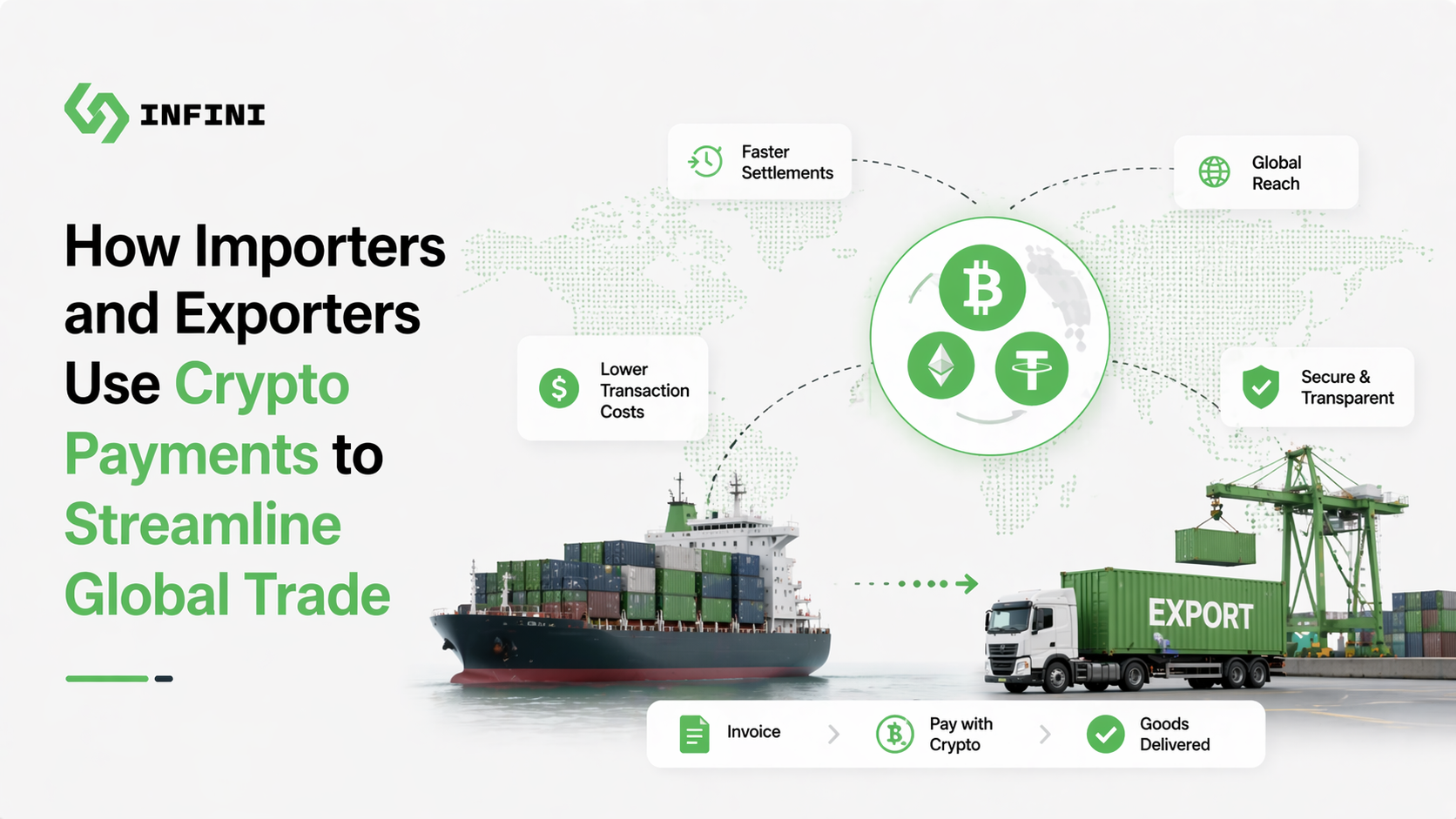
For importers and exporters, the traditional cross-border payment system is broken. If your business settles $1 million internationally every month, traditional bank fees and foreign exchange markups can cost you nearly $100,000 a year. This is why B2B stablecoin payment volume has surged from $100 million to nearly $3 billion monthly. By adopting crypto payments, global trading companies are bypassing the SWIFT…
What Are the Best Crypto Payment Solutions for SaaS Companies?
For SaaS companies looking to expand globally, adopting crypto payment solutions is no longer just an option—it is a strategic necessity. Traditional payment gateways often burden software businesses with high transaction fees ranging from 2% to 4%, slow settlement times of up to 5 days, and the constant threat of chargebacks. In contrast, integrating a crypto payment gateway allows SaaS platforms to reduce…

Accepting Crypto Payments in Emerging Markets
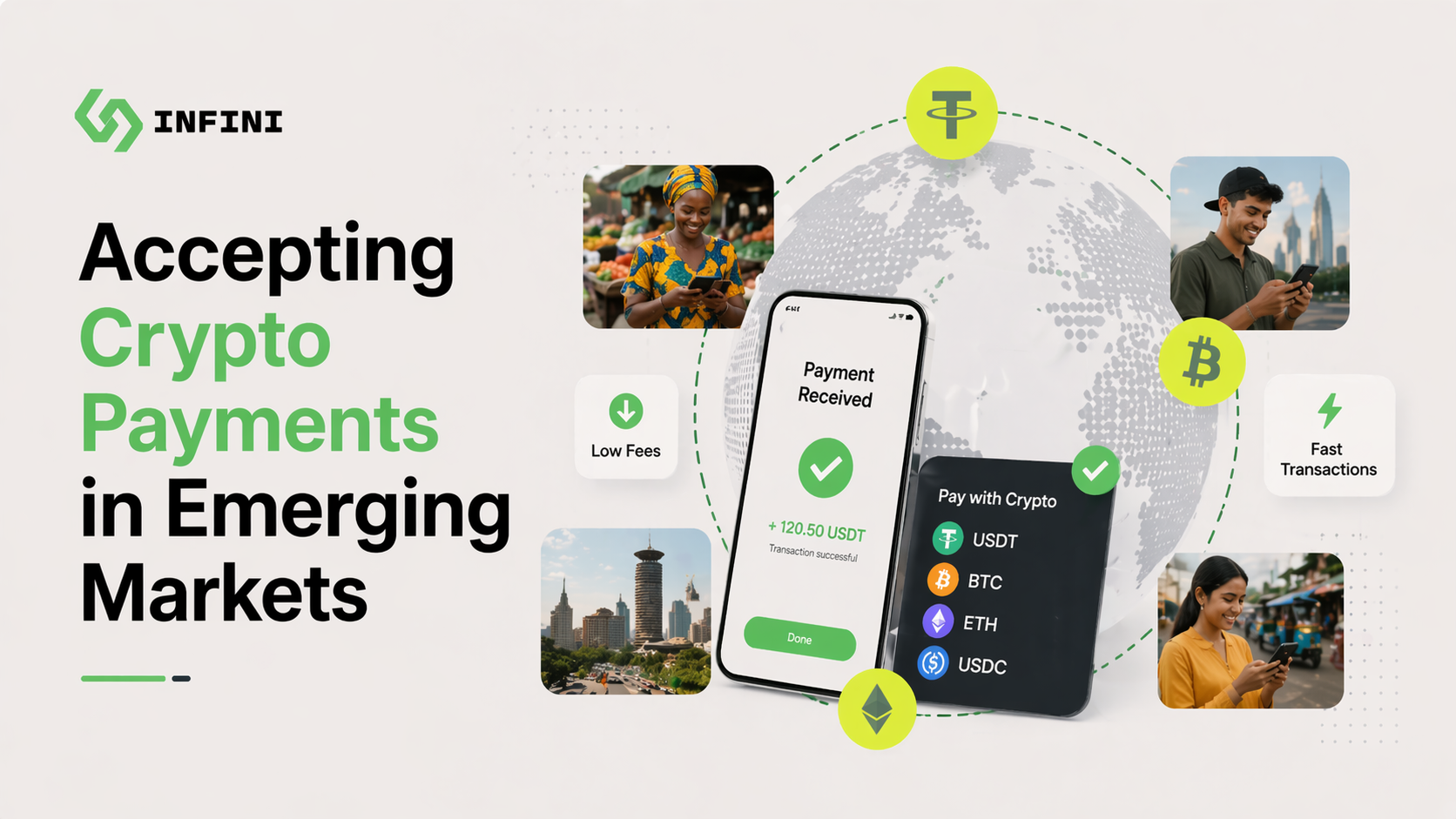
For businesses operating in emerging markets, accepting crypto payments—specifically stablecoins—is no longer just an alternative; it is a strategic necessity to bypass the friction of traditional banking. By integrating a crypto payment gateway, companies can reduce cross-border transaction fees by up to 90% and achieve near-instant settlement, eliminating the multi-day delays and 2-7% fees typical of SWIFT…
What is the Best Payment Gateway for Shopify?
The best payment gateway for Shopify depends entirely on your business model, target market, and transaction volume. For most domestic merchants, Shopify Payments is the default choice due to its seamless integration and zero additional transaction fees. However, if you are a B2B merchant, a cross-border e-commerce seller, or operating in emerging markets, traditional gateways like Stripe or PayPal can eat up to…

How to Integrate a Payment Gateway in Website
Global e-commerce sales are projected to reach $7.4 trillion by 2025. To tap into this growing market, businesses must understand how to manage online transactions effectively. Integrating a payment gateway into your website is a critical step in building a fully functional e-commerce platform. Implementing a payment gateway achieves more than just accepting online payments. It improves the customer experience,…

Best Crypto Payment Gateways for Business in 2026
The best crypto payment gateway for your business in 2026 depends entirely on your operational needs. If your primary goal is to process traditional fiat payments with a basic crypto checkout option, Stripe is a reliable choice. If you need extensive global fiat accounts without native digital asset support, Airwallex fits the bill. However, if you are a borderless business, SaaS, or e-commerce brand looking for a…

How to Accept Crypto Payments on Your Website
If you are wondering how to accept crypto payments on your website, the short answer is: you need to integrate a crypto payment gateway. These gateways act as the bridge between your checkout page and the blockchain, allowing you to receive payments in Bitcoin, Ethereum, or stablecoins like USDC and USDT, and often instantly converting them to fiat currency to avoid volatility. By doing so, businesses can bypass…

How to Integrate a Crypto Payment Gateway via API?
To integrate a crypto payment gateway via API, you need to obtain API credentials (like an API Key or JWT), configure standard REST API endpoints to create payment requests, and set up secure webhook callbacks to receive real-time transaction status updates. By following these core steps, businesses can seamlessly accept digital assets, reduce transaction fees to under 1%, and achieve near-instant cross-border…

How to Accept USDT Payments for Business?
To accept USDT payments for your business, the most efficient method is to integrate a crypto payment gateway. This involves selecting a provider, integrating their API or plugin into your website, and allowing the gateway to automatically process the blockchain transaction and settle the funds into your account. By doing so, businesses can bypass the 3-5 day delays and high fees of traditional international wire…

How to Accept Crypto Payments for Business
Accepting crypto payments for your business is now straightforward: choose a crypto payment gateway or stablecoin-enabled platform, complete onboarding and compliance verification, integrate via plugin or API, and start receiving digital currency payments that settle in minutes — often at a fraction of traditional card processing fees. This guide walks through every step, from choosing the right method to managing…

What is the Difference Between a Crypto Wallet and a Payment Gateway?
The core difference between a crypto wallet and a payment gateway lies in their primary use cases: a crypto wallet is a digital tool designed for individuals to securely store, send, and receive cryptocurrencies, while a crypto payment gateway is a specialized infrastructure built for businesses to automate the acceptance, conversion, and settlement of crypto payments at scale. If you are an individual investor…

How Do Payment Gateways Work?
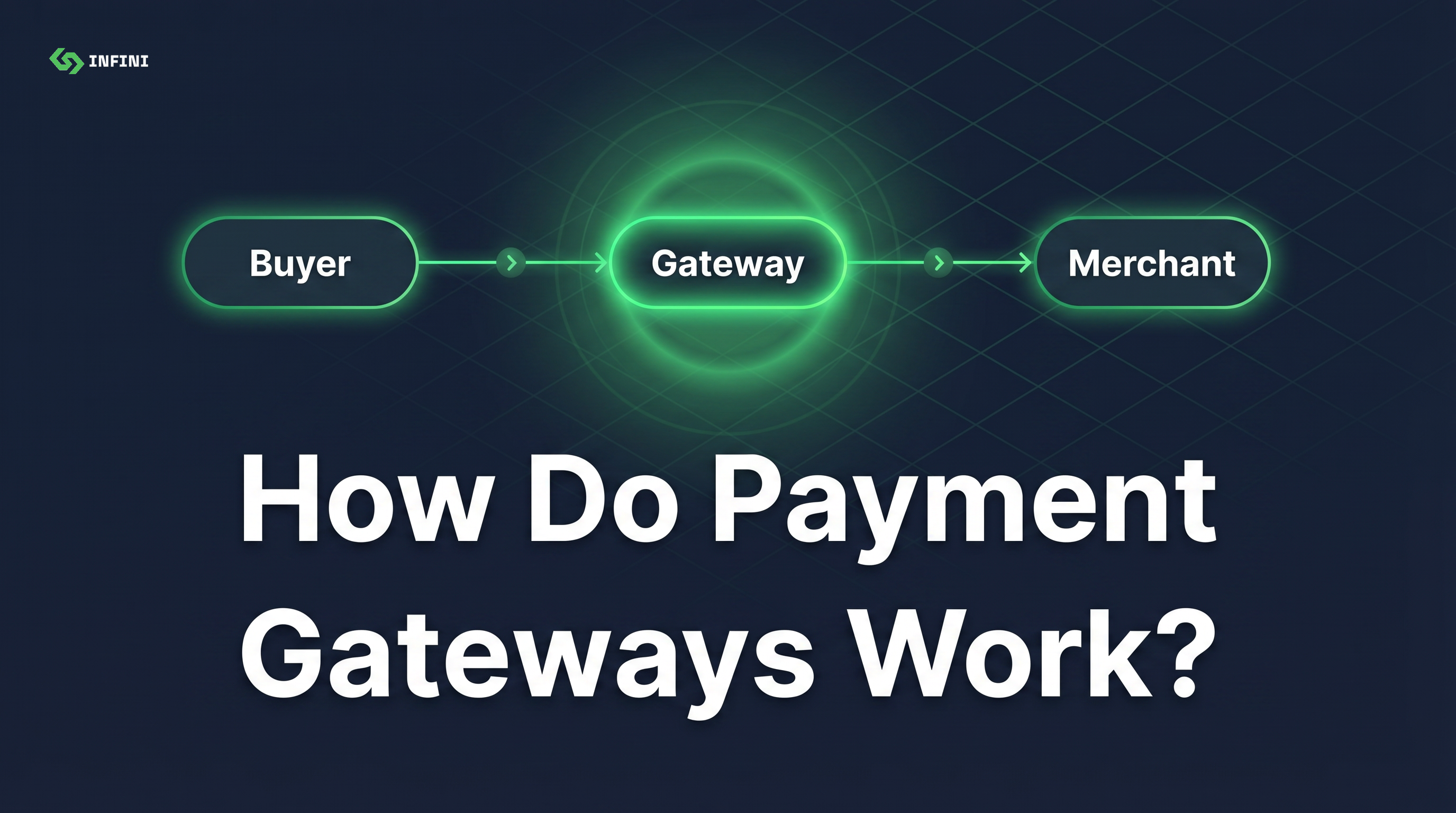
Bottom Line Up Front: A payment gateway is the digital equivalent of a physical point-of-sale terminal. It securely captures a customer's payment data, encrypts it, and transmits it through a series of steps—authorization, authentication, clearing, and settlement—to move funds from the customer's bank to the merchant's account. For global businesses, choosing the right gateway means balancing transaction fees,…
What Are the AML/KYC Requirements for Crypto Payment Gateways?
The short answer is that crypto payment gateways must comply with strict Anti-Money Laundering (AML) and Know Your Customer (KYC) regulations, primarily driven by the FATF Travel Rule, the US FinCEN Bank Secrecy Act (BSA), and the EU's Markets in Crypto-Assets (MiCA) regulation. These frameworks require gateways to verify user identities, monitor transactions for suspicious activities, and report to authorities when…

Why Your B2B Business Should Accept Stablecoin Payments
Bottom line upfront: If your B2B company moves money across borders, stablecoin payments can cut your transaction costs by up to 80%, settle in minutes instead of days, and free working capital that is currently trapped in correspondent-banking queues. Our 12-person finance and operations team spent over a month benchmarking payment rails before concluding that stablecoins deliver the strongest combination of speed,…

How to Reduce Cross-Border Payment Fees with Crypto
Answer First: You can reduce cross-border payment fees by up to 90% by switching from traditional SWIFT wire transfers to stablecoin payments (like USDC or USDT) on blockchain networks. While traditional banks charge 2-5% in hidden FX markups and intermediary fees, crypto payments typically cost under 0.5% and settle in minutes rather than days. For businesses, adopting a "fiat + stablecoin" dual-track architecture…

What Is a Crypto Payment Gateway
A crypto payment gateway is a digital payment processor that allows businesses to accept cryptocurrencies like Bitcoin, Ethereum, and stablecoins (such as USDC or USDT) at checkout. It acts as a bridge between a customer's crypto wallet and a merchant's bank account, automatically converting digital assets into fiat currency (like USD or EUR) to protect the business from price volatility. If your business settles…

What Is a Crypto Payment Gateway for eCommerce?
Our team recently spoke with an eCommerce merchant who was losing 3% of their revenue to cross-border transaction fees and dealing with weeks of delayed settlements. They asked us a simple question: "Is a crypto payment gateway actually worth the switch?" The short answer is yes. A crypto payment gateway allows your online store to accept digital currencies like Bitcoin and stablecoins, drastically reducing fees,…

What is a Crypto Payment Gateway? The Ultimate Guide for Global Businesses
Answer First (BLUF): A crypto payment gateway is a digital transaction facilitator that enables businesses to accept cryptocurrency payments seamlessly. It acts as a bridge between customers paying with digital assets and merchants receiving funds, often automatically converting crypto into fiat currency to eliminate price volatility. For modern global businesses, it offers a faster, cheaper, and more secure…
Accept and send payments with Infini
Collect in stablecoins or fiat, pay out globally, and see every flow in one account.
Explore Payments